01.01 / NERVE COMPRESSION
Tunnel
Syndromes
A change in sensation. A loss of confidence in your grip. Nerve compression can interrupt the simplest movements — but understanding where it begins is the first step towards the right care.

01 / AT THE WRISTMedian nerve
Carpal Tunnel
Syndrome

What it is
The carpal tunnel is a small passage on the palm side of the wrist, shared by the median nerve and the tendons that bend the fingers. When pressure builds within this space, the nerve can struggle to transmit normal signals. The result may be tingling, numbness, pain or weakness in part of the hand.
2What you might notice
Symptoms often begin intermittently: pins and needles that wake you, a hand that feels numb while holding a phone, or an urge to shake the fingers out. Discomfort can extend into the forearm.
- Tingling or altered feeling in the thumb, index and middle fingers.
- Clumsiness with buttons, coins or small objects; sometimes dropping things.
- In more advanced compression, persistent numbness or weakness at the base of the thumb.
Why pressure develops
There is often more than one contributing factor. A naturally smaller tunnel, swelling after a wrist injury, or inflammation around the tendons may reduce the space available to the nerve. It is not always possible to identify a single cause.
2Who is more likely to be affected?
Carpal tunnel can affect many adults. Pregnancy-related fluid changes, diabetes, inflammatory arthritis and thyroid disorders can increase susceptibility. Repeated forceful hand work or vibration may contribute in some people. Computer use alone has not been established as a direct cause; a symptom pattern needs assessment rather than an assumption about your job.
4Why it can feel worse at night
Sleeping with the wrist bent can increase pressure in the tunnel. Sustained positions during driving, reading or holding a device may also provoke symptoms. Early symptoms may settle when you change position; numbness that remains through the day deserves attention.
1Understanding the problem.
Choosing the next step.
The examination comes first
Assessment starts with which fingers are affected, when symptoms occur, how long they have lasted and whether strength is changing. The examination checks sensation and thumb function, and may use gentle tapping or wrist-position tests to reproduce symptoms. The neck and other nerve pathways may also need assessment because not every numb hand has carpal tunnel syndrome.
1When tests add useful detail
Nerve conduction studies measure how electrical signals travel through the nerve. Sometimes an EMG test also examines muscle activity. These tests can help clarify the diagnosis or severity. Ultrasound may show nerve enlargement or another local problem. X-rays are mainly useful when a bone or joint cause is suspected; scans are not required for every typical case.
5Care without an operation
For mild or intermittent symptoms, a wrist splint worn at night can help keep the wrist in a neutral position. Adjusting aggravating tasks and taking breaks may help too. A clinician can check the fit and agree when to review the response.
A corticosteroid injection may reduce symptoms, although relief can be temporary. Pain relief may help discomfort but does not remove the compression. Persistent or worsening symptoms should prompt reassessment rather than repeated self-treatment.
3When a release is considered
Surgery may be discussed when symptoms continue despite appropriate non-surgical care, or when nerve damage or weakness makes waiting less suitable. A carpal tunnel release divides the ligament forming the tunnel's roof to create more room for the median nerve.
Open and endoscopic techniques are options in suitable cases. Your surgeon explains the approach, anaesthetic and trade-offs. Possible complications include scar tenderness, infection, nerve injury and symptoms that persist or recur. Release cannot guarantee reversal of established nerve damage.
5Recovery is a process
Night-time tingling may improve before strength or constant numbness. The wound needs protection while it heals, and the palm may remain tender for a time. Light activity is usually introduced before heavy gripping or lifting; work, driving and sport depend on wound healing, comfort and safe hand function.
Nerve recovery can continue for months. Long-standing numbness or muscle loss may recover incompletely. Follow the plan agreed with your surgeon or hand therapist rather than a fixed return-to-work date.
23When to seek specialist assessment
Arrange an assessment if symptoms keep waking you, interfere with daily tasks or do not settle with simple measures. Persistent numbness, increasing weakness or visible loss of muscle at the thumb warrant prompt review. Early assessment helps establish what is being compressed and whether the nerve needs protection from further damage.
302 / AT THE ELBOWUlnar nerve
Cubital Tunnel
Syndrome
What it is
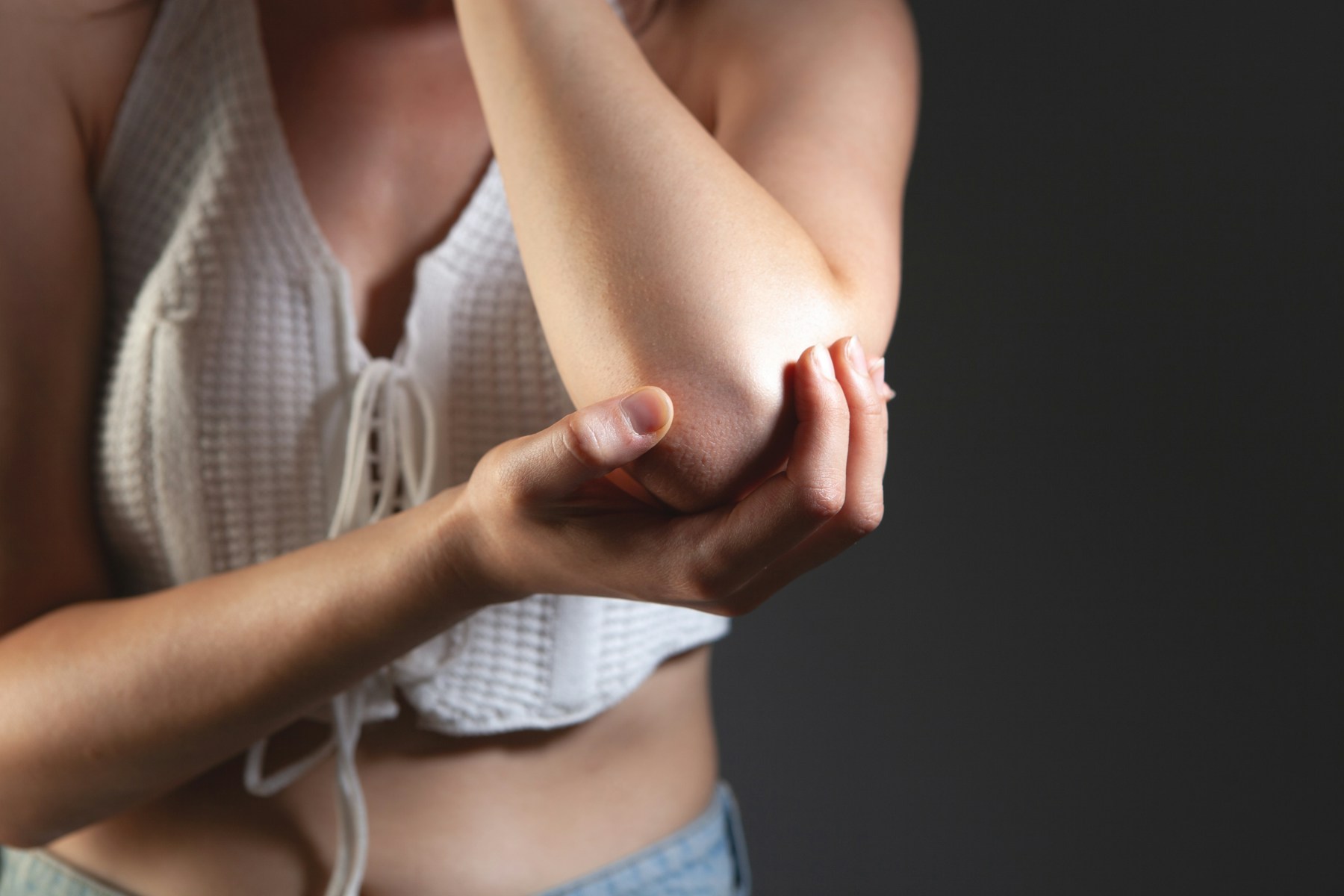
Cubital tunnel syndrome occurs when the ulnar nerve is irritated or compressed around the inner side of the elbow — close to the area often called the funny bone. This nerve supplies feeling to the little-finger side of the hand and helps control many of the small muscles used for precise finger movements.
7What you might notice
Pins and needles or numbness commonly affect the little finger and the neighbouring side of the ring finger. Symptoms may come and go, particularly with the elbow bent. Some people notice an ache on the inside of the elbow.
- A hand that falls asleep when holding a phone or during the night.
- Reduced grip, awkward finger coordination or difficulty handling small objects.
- In advanced cases, wasting of the small hand muscles or difficulty spreading the fingers.
How it differs from carpal tunnel
The main differences are the nerve involved and where pressure occurs. Carpal tunnel concerns the median nerve at the wrist; cubital tunnel concerns the ulnar nerve at the elbow. The finger pattern offers a clue, but it is not a diagnosis on its own. Symptoms can overlap, and more than one site may need to be examined.
64Pressure, stretch and position
Bending the elbow stretches the ulnar nerve and narrows the space around it. Keeping the elbow deeply bent for long periods, or leaning its inner side against a hard desk or armrest, can irritate it. In some people the nerve moves over the bony prominence as the elbow bends, adding friction.
6Why some elbows are more vulnerable
Previous elbow injury, arthritis or changes in the tissues around the nerve can contribute. Work, hobbies and sleeping positions that repeatedly load or bend the elbow may make symptoms more noticeable. Many people have no obvious injury or single trigger; the aim of assessment is to understand the individual pattern.
8A CLINICAL DISTINCTION
Two tunnels. Two nerve pathways.
| Carpal tunnel | Cubital tunnel | |
|---|---|---|
| Nerve | Median | Ulnar |
| Compression site | Wrist | Elbow |
| Typical sensory pattern | Thumb, index, middle and part of the ring finger | Little finger and adjacent half of the ring finger |
A useful guide to the usual pattern — an examination is needed to identify the cause of your symptoms.
Understanding the problem.
Choosing the next step.
Following the nerve's pathway
The specialist asks about elbow positions, which fingers are affected and any change in grip or dexterity. Examination may include tapping over the nerve, checking sensation, testing the small hand muscles and watching how the nerve behaves during elbow movement. The neck and wrist may also be examined to look for other sources of symptoms.
6Investigations with a purpose
Nerve conduction studies and, where appropriate, EMG can help locate compression and assess its effect on the nerve and muscles. Tests are interpreted alongside the examination. X-rays may be helpful if arthritis or a previous injury is suspected. Ultrasound or other imaging may be selected when the nerve's movement or surrounding structures need closer assessment.
86Reducing strain on the nerve
Early or mild symptoms may improve by avoiding prolonged elbow bending and direct pressure on the inner elbow. Adjusting a desk or armrest, using gentle padding, and changing how you hold a phone can make these changes practical.
A night splint or positioning aid may help limit deep bending during sleep; it should be comfortable and not compress the nerve. A therapist may recommend specific movements when suitable. Persistent numbness or weakness needs review even if pain is mild.
8Creating more space at the elbow
Surgery may be considered for persistent symptoms despite non-surgical treatment, significant weakness or evidence of more advanced compression. Decompression releases tight tissue around the ulnar nerve. In selected cases, the nerve is moved to the front of the elbow — a procedure called transposition — to reduce tension or address instability.
The choice depends on the examination, nerve behaviour and any previous surgery. Risks include infection, scar sensitivity, injury to nearby nerves, persistent symptoms or recurrence. With established muscle loss, surgery may aim chiefly to prevent further deterioration; full recovery cannot be promised.
9Giving the nerve time
The wound and surrounding tissues heal on a different timescale from the nerve. Your aftercare plan sets out dressing care, movement and any restrictions; a transposition may need a different plan from a simple release. Gentle movement and a gradual return to tasks are guided by your surgical team.
Heavy work, lifting, sport and driving need an individual decision. Tingling may settle sooner, while sensation and strength can take many months to improve. Severe or long-standing nerve damage may leave residual symptoms even after a technically successful operation.
109When to seek specialist assessment
Seek assessment when recurring tingling affects sleep or function, or when changes to elbow position do not help. Persistent numbness, loss of grip, difficulty spreading the fingers or visible hand-muscle wasting should be reviewed promptly. Do not wait for severe pain: the effect on sensation and strength can be more important than the amount of discomfort.
10THE NEXT CHAPTER / YOUR CARE
Not sure which nerve is causing your symptoms?
A specialist assessment brings the pattern together — where you feel it, what brings it on and how your hand is working — so the next step is right for you.
Book a Consultation